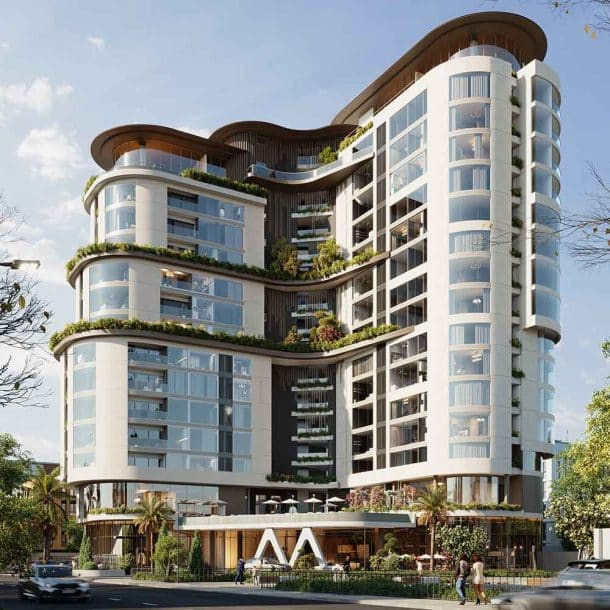
Ghana’s real estate sector is navigating a landmark year in 2025, defined by a dramatic economic turnaround and the surprising strength of its currency, the Cedi. After a period of extreme volatility, the Cedi has emerged as the world’s best-performing currency, creating both unprecedented opportunities and new, complex challenges for investors. For anyone involved in the property market, a deep understanding of the dynamics surrounding the current Dollar to Ghana Cedis on real estate in Ghana is no longer just beneficial.
it is the cornerstone of a successful investment strategy. This guide dissects the key findings from recent market analysis to provide a clear playbook for navigating this transformed landscape.
The Ghanaian Cedi’s journey has been remarkable. After hitting a low of nearly ₵16 to the US dollar in late 2024, it has appreciated by almost 50% to trade around ₵10 to the dollar by mid-2025. This powerful rally is not accidental but the result of several interlocking factors:
While some analysts project continued strength, others warn of the Cedi’s historical volatility, emphasizing that its current position is policy-induced and reliant on commodity prices. This uncertainty makes active currency management essential.
The strong Cedi has introduced a perplexing challenge for the real estate sector, often called the “paradox of appreciation.” In theory, a stronger currency should lower the cost of imported construction materials like tiles, sanitary ware, and steel. However, these prices have remained stubbornly high. Suppliers are hesitant to lower prices, citing old stock purchased at higher exchange rates and uncertainty about the Cedi’s future stability. This has severely squeezed developer profit margins and prevented cost savings from being passed on to buyers.
This environment has created a critical pricing conundrum, where the choice of currency for a transaction—USD or GHS—is a primary strategic decision. Understanding the impact of the impact of the USD to GHS exchange rate on Ghana’s property market is now more critical than ever.
For a foreign investor, the ultimate measure of an investment is the return calculated in US dollars. The Cedi’s movement has a direct and powerful effect on rental yields, especially when income is denominated in the local currency. The following table models how a fixed GHS rental income translates into vastly different USD yields depending on the exchange rate.
| Metric | Scenario 1 (Weak Cedi) | Scenario 2 (Moderate Cedi) | Scenario 3 (Strong Cedi) |
|---|---|---|---|
| Property Purchase Price (USD) | $250,000 | $250,000 | $250,000 |
| GHS/USD Exchange Rate | 15.0 | 12.5 | 10.0 |
| Net Income (GHS, Annual) | GHS 225,000 | GHS 225,000 | GHS 225,000 |
| Net Income (USD, Annual) | $15,000 | $18,000 | $22,500 |
| Net Yield in USD Terms (%) | 6.0% | 7.2% | 9.0% |
As the model shows, a 33% appreciation in the Cedi (from 15/$ to 10/$) increases the investor’s net USD yield by 50% (from 6.0% to 9.0%), highlighting the immense impact of currency on profitability.
Ghana’s real estate market is not uniform; it is sharply divided. The performance of one sector can be completely different from another, a nuance that every investor must appreciate.
The residential market is a study in contrasts. A boom is underway in the luxury segment, concentrated in prime Accra neighborhoods like Cantonments and Airport Residential. Driven by diaspora investors and high-net-worth individuals, properties here are priced in USD, offer attractive rental yields of 7-10%, and have seen strong capital appreciation. In stark contrast, the mid-market segment faces a severe affordability crisis, crippled by high interest rates and a nascent mortgage market that sidelines most local buyers.
The commercial market is similarly fragmented. The clear standout is the Industrial and Logistics sector, which offers high yields of around 12%. It is benefiting from Ghana’s growing role as a regional trade hub under the African Continental Free Trade Area (AfCFTA). The retail sector is resilient, supported by a growing middle class, while the office sector is struggling with high vacancy rates (20-30%) due to the post-pandemic shift to remote work.
To succeed in this complex market, investors must adopt a targeted strategy. Here are three approaches based on different risk profiles and goals.
Regardless of strategy, every investor must prioritize rigorous due diligence. Ghana’s land tenure system can be complex. Always hire a reputable local lawyer to conduct a thorough title search. Furthermore, budget for high transaction costs, which can add 8% to 23% to the purchase price for fees and taxes.
In conclusion, the 2025 Ghana’s real estate sector offers compelling rewards for the sophisticated investor. The era of passive investment is over. Success now hinges on actively managing the risks and opportunities presented by the current Dollar to Ghana Cedis on real estate in Ghana, choosing a niche-specific strategy, and conducting meticulous due diligence.